JULY SALE IS LIVE ON BINGEON !
Breaking the Taboo: Jewellery as Masculine Expression
Traditional norms framed men’s jewellery as unnecessary or non-masculine. Hip-hop challenged this by linking accessories with dominance, success, and authenticity. Today, wearing jewellery isn’t about following trends—it’s about owning your identity. This shift has made accessories an everyday essential rather than a special-occasion add-on.
Men’s Jewellery in Hip-Hop Culture: How Style Became Power
Men’s jewellery has long existed at the intersection of identity, status, and self-expression—but no cultural movement has reshaped its meaning more powerfully than hip-hop. What began as a form of resistance and visibility has evolved into a global style language that defines modern masculinity.
At BingeOn, we draw directly from this legacy—where accessories aren’t optional, they’re intentional.
The Origins of Men’s Jewellery in Hip-Hop
Hip-hop emerged in the 1970s from marginalized communities where visibility and voice were often denied. Jewellery became a visual assertion of success, survival, and self-worth. Thick gold chains, oversized rings, and statement pendants weren’t about excess—they were about presence.
In a society that restricted economic mobility, jewellery became proof of achievement. Wearing it openly challenged traditional norms that limited men’s adornment to function over expression.
Why Jewellery Became Central to Hip-Hop Identity
Men’s jewellery in hip-hop serves multiple roles:
Status signaling: Displaying success earned against systemic barriers
Cultural storytelling: Custom pieces representing roots, struggles, and victories
Reclaiming masculinity: Redefining strength as confidence, not restraint
Hip-hop reframed jewellery as powerful and unapologetic—directly breaking the taboo around men wearing visible accessories.
The Evolution: From Gold Chains to Iced-Out Statements
1980s–1990s: The Foundation
Artists popularized rope chains, medallions, and bold gold pieces. Jewellery symbolized rank and respect.
2000s: The Bling Era
Diamonds, grills, and luxury watches became mainstream. “Iced-out” wasn’t just a look—it was a movement.
2010s to Today: Expression Over Excess
Modern hip-hop embraces versatility. Pearls, mixed metals, minimalist rings, and custom designs now coexist with classic heavy pieces. Jewellery reflects personality rather than just wealth.
Hip-Hop’s Influence on Modern Men’s Jewellery
Hip-hop didn’t just influence fashion—it changed market behavior:
Luxury brands expanded men’s jewellery lines
Streetwear and fine jewellery began to overlap
Younger audiences normalized daily accessory styling
What was once seen as “too much” is now a standard part of men’s fashion.
Breaking the Taboo: Jewellery as Masculine Expression
Traditional norms framed men’s jewellery as unnecessary or non-masculine. Hip-hop challenged this by linking accessories with dominance, success, and authenticity.
Today, wearing jewellery isn’t about following trends—it’s about owning your identity. This shift has made accessories an everyday essential rather than a special-occasion add-on.
Where BingeOn Fits In
At BingeOn, we see jewellery the same way hip-hop always has:
as a tool for confidence, not decoration.
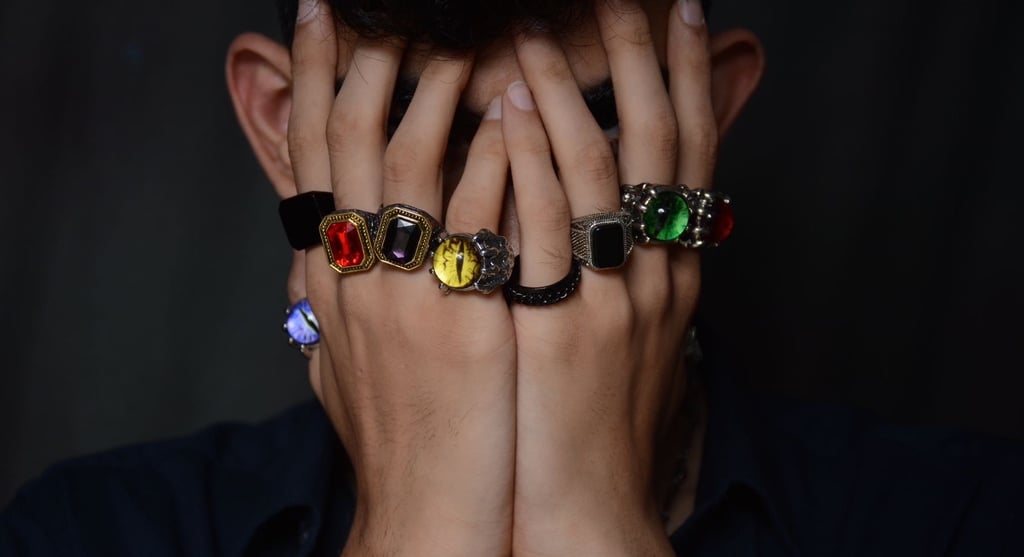
Our designs are inspired by the culture that made men’s jewellery bold, binge-worthy, and expressive. Each piece is meant to be worn on repeat—stacked, styled, and owned unapologetically.
Because just like music, accessories should reflect who you are.
Conclusion
Men’s jewellery in hip-hop culture represents more than fashion—it represents freedom, visibility, and self-made identity. As societal norms evolve, the influence of hip-hop continues to redefine how men express confidence through style.
And today, that legacy lives on—one accessory at a time.
Binge on. Certified rizz vault.